
Home Inspections Are Essential
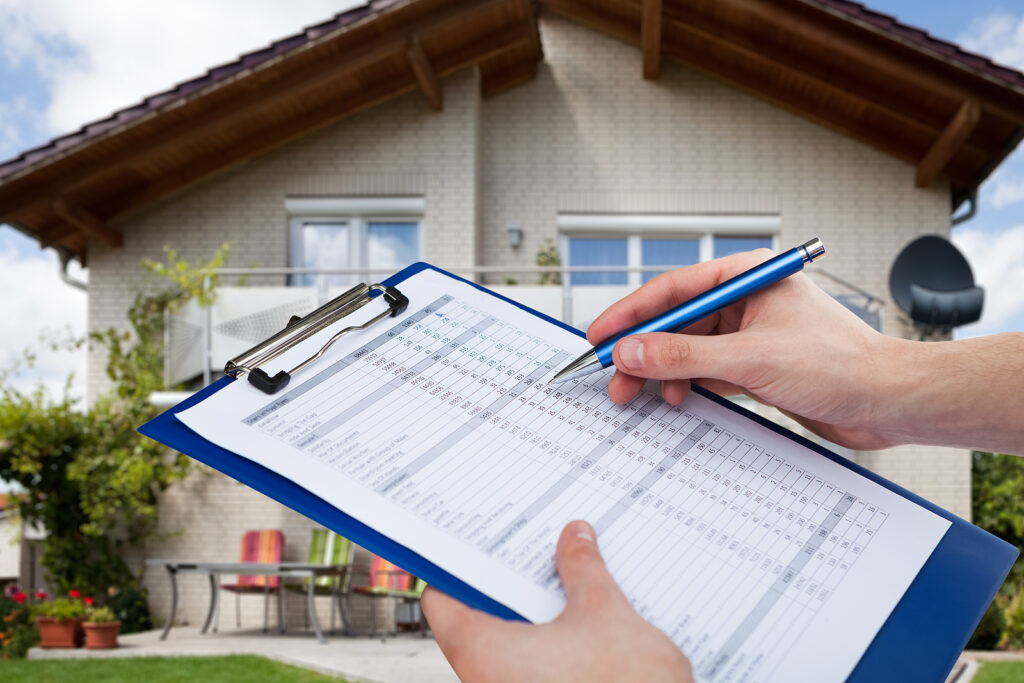
Home Inspections – Why They Are Essential for Every Homebuyer
Buying a home is one of the most exciting and significant investments you’ll ever make, but beneath the fresh paint and staged rooms, there could be hidden issues that aren’t immediately visible. With so much at stake, it’s critical to go beyond surface-level appearances and truly understand the condition of the property you’re purchasing. That’s where a home inspection comes in.
A professional home inspection provides a detailed look at the property’s structure and systems, helping you avoid costly surprises and make a more informed decision. Whether you’re a first-time buyer or a seasoned homeowner, skipping this step can be a costly mistake.
What Is a Home Inspection?
A home inspection is a comprehensive, non-invasive evaluation of a property’s condition that aims to bring your attention to potential issues BEFORE you are committed to closing on a property. It is typically conducted after your offer has been accepted but before closing, giving you time to decide if you want to have the seller make repairs, lower the price, or simply walk away in compliance with contract terms. The inspector assesses both the interior and exterior of the home, identifying potential issues, ranging from minor repairs to major structural concerns.
What Does a Standard Home Inspection Include?
While the exact scope may vary slightly, a standard home inspection typically covers:
- Structural Components
Foundation, walls, ceilings, floors, and roof structure - Roofing System
Shingles, flashing, gutters, and potential leaks or damage - Electrical Systems
Wiring, panels, outlets, and safety compliance - Plumbing Systems
Pipes, fixtures, water heaters, and signs of leaks or corrosion - HVAC Systems
Heating, ventilation, and air conditioning functionality - Interior Features
Doors, windows, staircases, and insulation - Exterior Elements
Siding, drainage, grading, and walkways - Appliances (when applicable)
Major built-in appliances such as ovens and dishwashers
Keep in mind that specialized inspections, such as those for radon, mold, pests, or septic systems often require separate evaluations beyond a standard home inspection. It’s also important to understand that while a home inspection can uncover many potential issues, it is not a guarantee against future problems. An inspection reflects the condition of the home at a specific moment in time.
For example, just because a sink isn’t leaking during the inspection doesn’t mean it won’t develop an issue later that day. Viewing the inspection as a valuable snapshot rather than a guarantee, helps you set realistic expectations while still gaining meaningful insight into the home’s overall condition.
How Can You Help Ensure a Successful Home Inspection?
A smooth and successful home inspection doesn’t happen by chance, it starts with a few proactive steps. By preparing ahead of time and knowing what to expect, you can help ensure the inspection process is thorough, efficient, and ultimately valuable to your home-buying decision.
- Select a Qualified Professional – Choosing the right inspector is critical to getting a thorough and reliable assessment of the property. When evaluating your options, be sure to:
- Verify licensing and certifications
- Read reviews or ask for referrals
- Confirm they provide a detailed written report with photos
A good inspector does more than identify issues—they help you understand the severity and potential impact of any findings.
- Attend the Walkthrough – While it’s not necessary to follow the inspector around during the entire inspection, it’s recommended to arrange to meet with them during the last 30 – 60 minutes, giving you the opportunity to see key findings firsthand and ask questions about any safety concerns, structural issues, or maintenance items.
- Consider Requesting Specialized Inspections – Keep in mind that a standard home inspection doesn’t cover everything. Depending on the property and location, you may want to request from your loan officer, additional inspections. For example:
- Septic systems
- Pest or termite activity
- Radon levels
- Mold or environmental concerns
These targeted inspections can uncover issues that might otherwise go unnoticed.
- Negotiate Based on Findings – If the inspection reveals concerns, it can provide valuable leverage during the negotiation process. You may be able to:
- Request repairs from the seller
- Negotiate a lower purchase price
- Ask for closing credits to offset future repairs
Using the inspection report strategically can help protect your investment and reduce out-of-pocket expenses after closing.
CONCLUSION
In a competitive market, it’s easy to feel pressured to waive a home inspection to strengthen your offer, but remember, the strongest position you can have as a buyer is one built on knowledge and confidence. Choosing to move forward with an inspection isn’t a setback, it’s a smart, empowered step that puts you in control of your investment.
A home inspection gives you the clarity to move forward with certainty, the insight to advocate for yourself, and the confidence to know you’re making the right decision. By taking this step, you’re not just buying a home, you are investing in your future with intention and peace of mind.
At the end of the day, this is your journey and your investment. Give yourself the advantage of knowing exactly what you’re walking into so you can move forward excited, informed, and fully confident in the place you’ll call home.